Epping Forest event flowers guide for outdoor ceremonies
Posted on 27/09/2026
If you are planning an outdoor ceremony near Epping Forest, flowers do more than decorate the space. They help set the tone, soften the setting, and make a wild, open-air location feel considered rather than improvised. This Epping Forest event flowers guide for outdoor ceremonies walks you through the practical side of choosing blooms that suit woodland light, changeable weather, and the kind of natural backdrop that already has plenty of character.
Truth be told, outdoor floristry is a little less about perfection and a lot more about balance. You want flowers that look beautiful in photos, but you also need them to hold up through breeze, sun, maybe a few raindrops, and the general bustle of guests arriving with jackets over their arms. That is where a thoughtful plan makes all the difference. Below, you will find the styling logic, the seasonal choices, the mistakes to avoid, and the little decisions that quietly elevate an outdoor ceremony from "nice" to genuinely memorable.
Why Epping Forest event flowers guide for outdoor ceremonies Matters
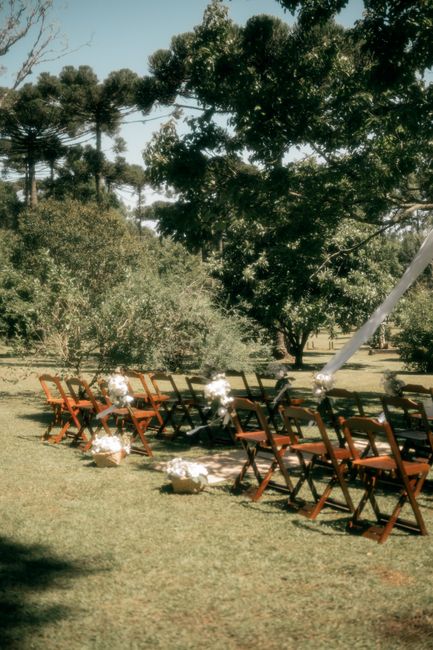
Epping Forest has its own mood. It is not a blank canvas, and that is exactly the point. The trees, changing light, earthy tones, and seasonal shifts all shape how flowers will look and how they will feel on the day. A bouquet that looks polished in a city venue can sometimes disappear outdoors, while a loose, natural arrangement can suddenly look perfect beneath the canopy. That is the challenge and the appeal.
For outdoor ceremonies, flowers need to do three jobs at once. They must complement the environment, stand up to practical conditions, and support the emotional atmosphere. If any one of those is missing, the whole setup can feel a bit off. You notice it most in the photos later, when the arch feels too stiff for the setting or the table flowers look tired halfway through the afternoon. Nobody wants that. Not on a day like this.
An Epping Forest event flowers guide for outdoor ceremonies matters because it helps you make decisions based on the setting, not just on trends. A woodland ceremony asks for different thinking from a hotel ballroom. You are dealing with light that moves quickly, paths that may be uneven, and the possibility that stems, petals, and ribbons may need more support than they do indoors.
Expert summary: the best outdoor ceremony flowers are not always the biggest or the most elaborate. They are the ones that suit the space, travel well, cope with the weather, and still look calm when the day gets busy.
How Epping Forest event flowers guide for outdoor ceremonies Works
The process starts with the venue conditions, not the bouquet. That is the smarter order, honestly. First, think about where the ceremony will happen: open glade, woodland edge, marquee entrance, reception table, or a small aisle-style layout with guests seated on either side. Then factor in season, timing, and what kind of floral presence you actually need.
In practice, the floral plan usually breaks down into a few layers:
- Statement pieces: the ceremony focal points, such as an arch, urns, meadow-style arrangements, or pedestal flowers.
- Handheld flowers: bouquets, buttonholes, corsages, and small attendant arrangements.
- Guest-facing flowers: table flowers, welcome arrangements, and any pieces that guide the eye through the space.
- Practical support: water sources, weighted containers, shade, transport packaging, and secure placement.
The style usually works best when it mirrors the natural setting rather than fighting it. Think airy rather than overbuilt, textured rather than overly formal, and slightly softened edges instead of hard symmetry. For many people, that means mixing roses, lisianthus, hydrangea, alstroemeria, or seasonal stems with foliage that has a woodland feel. If you want something classic but not stuffy, white and soft green is a safe place to start. If you want more colour, the setting can handle it, but it usually looks better when the palette is intentional and not too noisy.
There is also a logistical side that people often overlook. Flowers for outdoor ceremonies need to be delivered, staged, and installed with care. If there is a long gap between setup and vows, the arrangement needs to survive that wait. If the site is exposed, stems may need extra conditioning. If the ceremony flows into a reception, the flowers should transition naturally without looking like they were borrowed from a completely different event. It sounds obvious. It never quite is on the day, though.
Key Benefits and Practical Advantages
Good event flowers do more than look pretty in a close-up shot. They shape the whole atmosphere of an outdoor ceremony and can make a space feel intentional, warm, and welcoming. With Epping Forest ceremonies in particular, the benefits are especially noticeable because the natural backdrop is already doing a lot of the visual work.
- They reinforce the setting: woodland-inspired flowers feel in tune with the trees, paths, and open-air surroundings.
- They improve the guest experience: a clearly styled ceremony area helps guests understand where to gather and where to look.
- They photograph well: the right flowers soften hard edges, add depth, and bring colour into shaded areas.
- They create cohesion: when bouquets, aisle flowers, and table arrangements share a palette, the whole event feels polished.
- They help manage a mixed space: outdoor venues often combine natural terrain with temporary structures, and flowers can visually tie it all together.
There is a quieter benefit too: flowers give the ceremony emotional shape. People remember scent, texture, and colour much more vividly than they remember chair covers, and to be fair, that makes sense. A small cluster of white blooms by the aisle, or a loose arrangement at the edge of a signing table, can linger in memory long after the practical details have faded.
For couples, families, and planners, the advantage is not just beauty. It is confidence. When the flowers are chosen well, you are not second-guessing the look every time the breeze picks up. You can relax a bit, which on an outdoor day is worth a lot.
Who This Is For and When It Makes Sense
This guide is for anyone planning a ceremony in or around Epping Forest where flowers are part of the visual story. That includes weddings, vow renewals, engagement celebrations, intimate family gatherings, and even small milestone events where the outdoor space matters as much as the occasion itself.
It makes particular sense if:
- your venue is semi-rural or woodland-based
- you expect variable weather or changing light
- you want a natural, romantic, or elegant look
- the event needs to work both outdoors and indoors if the weather turns
- you want flowers that feel bespoke rather than generic
If you are planning a wedding, you will probably want to think beyond the bouquet and look at the whole floral journey. That is where pages such as wedding flowers and the broader bridal bouquet options can be useful as a starting point. If you are hosting a smaller ceremony or a reception after the event, it may also help to look at adaptable options like flowers for any occasion, because not every outdoor event needs a full formal set-up.
Not every reader needs the most elaborate design. Sometimes the best answer is a few carefully placed arrangements and one beautiful bouquet. Less can work brilliantly. Especially outdoors. Especially in Epping Forest, where the setting already speaks for itself.
Step-by-Step Guidance
If you want a flower plan that feels calm rather than rushed, work through the process in order. It is much easier that way, despite everyone wanting to jump straight to colours and ribbon. The practical bits matter.
- Start with the ceremony location. Check whether the event is fully outdoor, partially covered, or likely to move indoors if needed. Look at the light, access, and where flowers can safely sit.
- Choose a palette that suits the season. Whites, creams, and soft greens work beautifully in natural woodland settings. Warm pinks, lilacs, and mixed tones can also be lovely if you want a gentler burst of colour.
- Decide which flowers must hold their shape. Some stems are better for structure, others for softness. For outdoor use, sturdier blooms with good conditioning are usually the safer bet.
- Map the priority pieces. Most outdoor ceremonies need a bouquet, buttonholes or corsages, a focal arrangement, and perhaps table flowers if the event continues after the vows.
- Think about transport and storage. Flowers should be kept cool, upright, and away from direct sun where possible. A car boot in July is not the place. We have all learned that one the hard way.
- Match the style to the scale. A small woodland ceremony may only need subtle arrangements, while a larger gathering may need more visible anchors so the flowers do not get lost in the open space.
- Allow for a backup plan. If the weather changes, your flowers should still look sensible near a shelter, marquee, or reception area.
A useful rule of thumb: if the venue feels busy, keep the flowers slightly calmer. If the venue is simple and open, the flowers can carry more of the visual weight. That balance is what makes outdoor floristry feel natural rather than forced.
Expert Tips for Better Results
In our experience, the best outdoor ceremony flowers are the ones that feel freshly gathered, even when they have been carefully planned weeks in advance. That effect takes a bit of discipline, but it is worth it.
Tip one: use texture, not just colour. In woodland light, texture often matters more than intensity. A combination of petals, foliage, and softer filler flowers gives the arrangement depth without shouting at the viewer.
Tip two: keep the focal point simple. One strong design moment is usually better than several competing ones. A ceremony arch, a pair of meadow arrangements, or a statement bouquet can be enough.
Tip three: choose flowers that do not collapse easily. Delicate heads can be beautiful, of course, but if the weather is unpredictable, sturdier blooms can save you from a lot of fiddling and unnecessary worry.
Tip four: think in layers. The bouquet, buttonholes, and table flowers should feel related, even if they are not identical. That subtle repetition helps the whole event feel coherent.
Tip five: use the season intelligently. Summer flowers can look bright and open, while autumn arrangements often feel richer and more grounded. A seasonal approach usually looks more natural outdoors anyway.
One small thing people forget: wind changes everything. A simple arrangement with a lower profile can sometimes photograph better than a towering display because it stays in place and does not dominate the frame. That is not glamorous advice, but it is practical. And practical wins on ceremony days.
Common Mistakes to Avoid
Outdoor flower planning is full of small traps. None are dramatic on their own, but together they can make the day feel slightly clumsy.
- Ignoring the weather window: flowers that work in a cool morning may struggle by mid-afternoon if they are in full sun.
- Choosing a palette that blends too much: if the flowers are too close to the surrounding greens and browns, they may disappear in photos.
- Overcrowding the space: too many arrangements can make a natural setting feel busy and unnatural.
- Forgetting access: narrow paths, damp ground, or steps can make installation harder than expected.
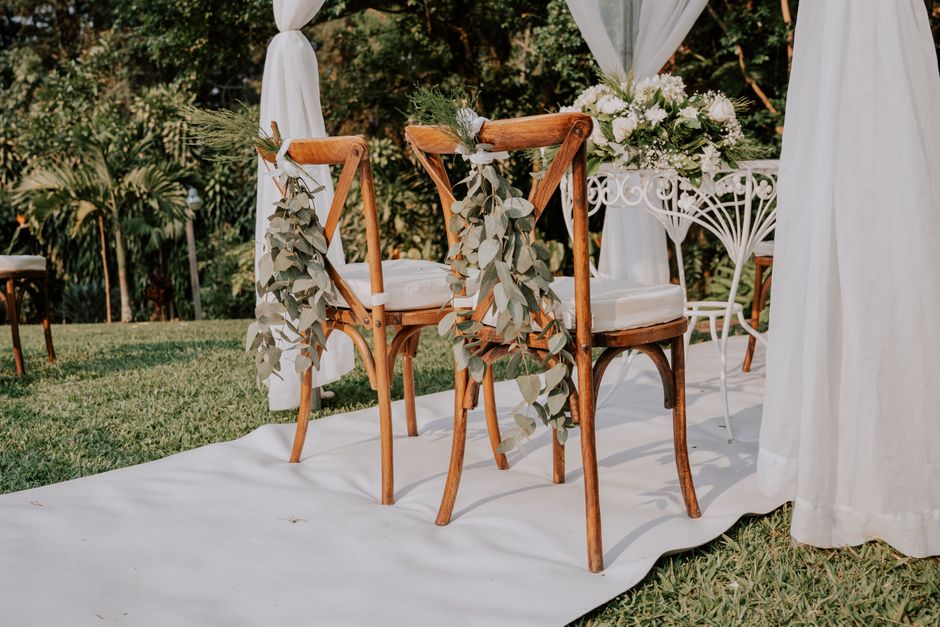
- Using styles that are too rigid: highly formal shapes can look slightly out of place in an informal woodland setting.
- Leaving transport too late: flowers need time to settle, hydrate, and be arranged properly.
Another common slip is treating the ceremony and reception as separate floral worlds. They do not need to match exactly, but they should feel like they belong to the same conversation. Otherwise the event can feel like it changed personality halfway through. Bit odd, really.
If you are unsure, choose restraint over excess. It is much easier to add a little more than to rescue a design that has become too heavy or too fussy.
Tools, Resources and Recommendations
You do not need a van full of specialist equipment to manage outdoor ceremony flowers, but a few simple tools make life easier. A good florist will usually bring what is needed, yet it helps to understand what those items are doing behind the scenes.
| Item | What it helps with | Why it matters outdoors |
|---|---|---|
| Water containers or floral holders | Hydration during setup | Stops blooms from drooping before the ceremony begins |
| Weighted bases | Stability in wind | Useful for arches, urns, and exposed placements |
| Cool storage | Temperature control | Helps flowers stay fresher for longer |
| Transport sleeves or boxes | Protection in transit | Reduces bruising and shifting on the journey |
| Ribbon, ties, or discreet fixings | Finish and security | Keeps hand-tied pieces and buttonholes neat |
| Event timing plan | Setup coordination | Makes sure flowers are positioned at the right moment |
For product inspiration, it can help to browse stems and arrangements by colour or occasion. A clean white palette can be a lovely anchor for outdoor ceremonies, while a mixed or seasonal selection can bring warmth. You may find useful ideas in categories like white flowers, mixed colours, and summer flowers. If you want something more understated, the florist choice approach can also be a smart way to let the design feel natural and professionally balanced.
For ceremony-specific pieces, browsing a few style-led collections can save a lot of indecision. Look at options such as table arrangements, buttonholes, and corsages if you want the smaller details to feel polished without overdoing things.
Law, Compliance, Standards, or Best Practice
For most flower planning, the key issue is not legal complexity but sensible event practice. Outdoor ceremonies can involve temporary structures, access routes, and shared public or private spaces, so it is wise to keep the floral plan practical, safe, and respectful of the venue rules.
In a setting such as Epping Forest, best practice usually means checking where items can be placed, whether anything can be fixed to trees or structures, and whether the venue has restrictions around decoration, ground protection, or waste removal. Those details are often specific to the site rather than universal. If you are using a venue manager, event coordinator, or local supplier, ask early rather than leaving it until the week before.
Some sensible standards apply whatever the location:
- Keep pathways clear. Flowers should not create trip hazards or block guest movement.
- Protect natural surroundings. Avoid anything that could damage bark, roots, or planted areas.
- Plan for weather. Windproofing and shade are not luxuries outdoors; they are basic practical care.
- Handle flowers safely. Water, glass, wires, and mechanics should be positioned with care.
- Coordinate with the venue timetable. Setup and removal times matter more than people think.
If your ceremony is part of a larger event, it is also sensible to confirm delivery, access, parking, and collection arrangements with your florist. A good supplier should be used to this sort of coordination and should tell you honestly if a design idea is unrealistic for the site. That honesty is worth its weight in roses.
Options, Methods, or Comparison Table
There is no single right way to style flowers for an outdoor ceremony. The best choice depends on the mood, the budget, and how much visual impact you want. Here is a simple comparison to help you weigh up the common approaches.
| Method | Best for | Strengths | Watch-outs |
|---|---|---|---|
| Loose meadow-style arrangements | Natural woodland ceremonies | Soft, organic, blends beautifully with the setting | Can look sparse if underfilled |
| Formal structured designs | Elegant, traditional events | Clean lines, polished finish, strong visual order | May feel a little too stiff outdoors |
| Minimal ceremony styling | Small or intimate gatherings | Budget-friendly, understated, easy to manage | Needs careful placement to avoid looking too plain |
| Full floral statement setup | Large weddings or milestone events | High impact, memorable photos, clear focal point | Higher cost and more setup coordination |
If you are comparing options, ask yourself one blunt question: do you want the flowers to lead the design, or support the landscape? If the answer is support, keep everything lighter and more natural. If the answer is lead, then you will need stronger colour, larger focal pieces, and a clearer design language across the event.
Case Study or Real-World Example
A recent outdoor ceremony style brief we have seen a lot of is a small late-summer gathering with guests seated informally, a simple aisle, and a reception area nearby. The couple wanted something elegant but not overly formal, and they were very clear that they did not want the flowers to fight the surroundings.
The solution was straightforward: a soft white and green palette, with a bouquet that had enough shape for close-up photographs, two lower focal arrangements by the ceremony point, and smaller table flowers carried through to the reception. Buttonholes were kept tidy and minimal. Nothing felt overdone. The arrangements looked fresh in the first walk-through, and by the time the vows were read, the whole space had settled into a calm, grounded feel. That is often the sweet spot outdoors.
The interesting bit was how much difference the small details made. A slightly lower arrangement worked better than a taller one because it did not interrupt the view. A modest amount of foliage gave the flowers a woodland feel without making them look wild. And because the palette stayed controlled, the ceremony looked cohesive even as the light changed through the afternoon. You could almost feel the atmosphere ease into place.
That sort of result is a good reminder that outdoor floristry is rarely about one dramatic item. It is about a set of small, sensible choices that add up.
Practical Checklist
Use this checklist when planning flowers for an outdoor ceremony near Epping Forest. It keeps the big questions visible and helps you avoid last-minute panic.
- Confirm the ceremony location and whether it is fully outdoor or partly sheltered
- Check the weather season and likely temperature at the ceremony time
- Choose a colour palette that suits the woodland setting
- Decide which pieces are essential: bouquet, buttonholes, focal arrangements, table flowers
- Make sure the flowers can be safely transported and stored
- Ask about venue access, setup times, and any restrictions
- Choose flowers that can cope with light, breeze, and waiting time
- Keep guest pathways and seating areas clear
- Plan a backup position for flowers if the weather changes
- Match ceremony flowers with any reception florals for a joined-up look
- Confirm collection or clear-away arrangements after the event
- Leave a little flexibility for the day itself, because the outdoors always has opinions
If you want to support the bouquet with a thoughtful finish, you might also explore flower care guidance and the wider delivery information so the blooms arrive in the best possible condition. For budget-conscious planning, it can help to compare budget options with more premium choices before you decide.
Conclusion
The best Epping Forest event flowers guide for outdoor ceremonies is not about copying a formula. It is about reading the space properly and choosing flowers that feel at home there. Woodland surroundings already bring texture, mood, and movement, so the floral plan should complement that rather than overpower it.
If you focus on season, scale, durability, and a palette that suits the natural backdrop, you will end up with flowers that look calm in real life and beautiful in photographs. That is the sweet spot. And on a day that matters, calm is underrated.
If you are still deciding between styles, start with the setting, then narrow the choices based on the weather, the guest count, and how formal you want the ceremony to feel. The right answer is usually the one that looks easy, even when it took proper planning behind the scenes.
Get a free quote today and see how much you can save.
With the right floral plan, an outdoor ceremony near Epping Forest can feel grounded, graceful, and quietly unforgettable. That is a lovely thing to build toward.
Frequently Asked Questions
What flowers work best for an outdoor ceremony in Epping Forest?
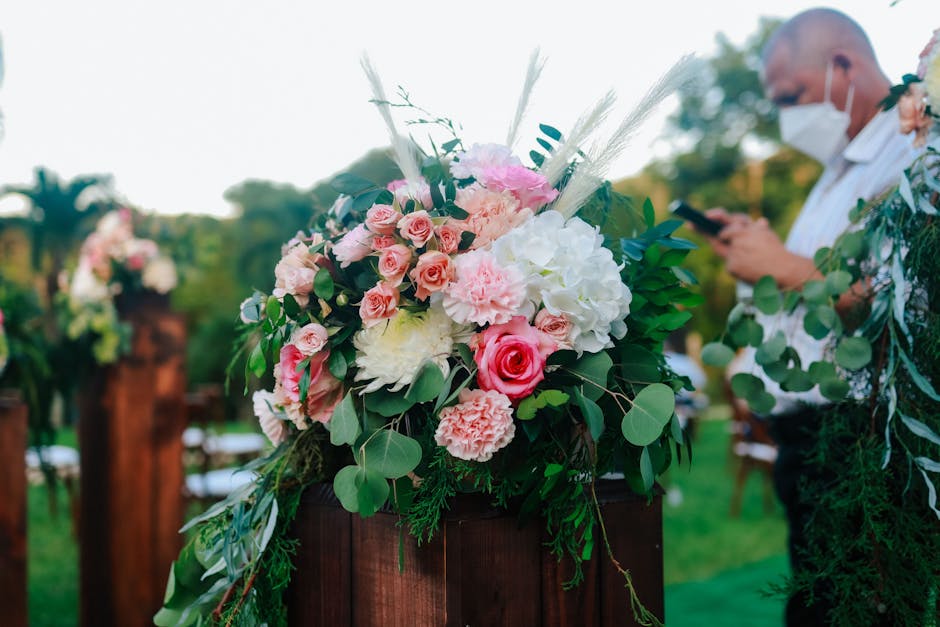
Flowers with good structure and a natural feel usually work best. White roses, lisianthus, hydrangea, alstroemeria, carnations, and seasonal mixed blooms are often strong choices because they suit woodland settings and handle outdoor conditions well.
How far in advance should I plan ceremony flowers?
It is sensible to start planning several weeks ahead, especially if the event is in spring or summer. That gives time to settle the palette, check venue access, and make sure the flowers chosen are suitable for the season.
Do outdoor flowers need to match the woodland setting exactly?
No, but they should feel in harmony with it. You do not need to mimic the forest floor. A coordinated palette, soft shapes, and a natural finish are usually enough to make the flowers sit well in the landscape.
What if the weather changes on the day?
This is where flexible design helps. Flowers should be able to move from an outdoor setting to a sheltered spot or reception area without looking out of place. Lower, sturdier arrangements are often easier to adapt.
Are white flowers a good choice for outdoor ceremonies?
Yes, very often. White flowers can look especially elegant against greenery and shaded woodland light. They photograph well and keep the ceremony feeling calm and timeless.
Can I use bright colours outdoors?
Absolutely, if the palette is controlled. Rich pinks, purples, yellows, or mixed tones can look beautiful outdoors. The main thing is to make sure the colours do not clash with the natural setting or become too busy visually.
How do I keep flowers looking fresh outside?
Keep them cool, hydrated, and out of direct sun where possible. The shorter the time between setup and ceremony, the better. Good transport and secure placement make a real difference, even for sturdy flowers.
What should I ask my florist before booking?
Ask which flowers are suitable for the season, how they handle outdoor installation, whether they can work with your venue access, and what backup options they recommend if the weather changes. Those questions tell you a lot about their practical experience.
Can I keep the ceremony flowers for the reception too?
Yes, and that is often the best way to get more value from them. Many ceremony arrangements can be repositioned for the reception, especially table pieces, urns, and smaller focal flowers.
What is the safest floral style for a windy outdoor venue?
Lower, weightier arrangements are usually safest. Anything too tall or top-heavy can be vulnerable in the wind. A grounded, meadow-inspired style often works well because it looks natural and stays stable.
Are there budget-friendly options for outdoor event flowers?
Yes. You can reduce cost by choosing fewer focal pieces, using seasonal flowers, selecting a simpler palette, or combining statement flowers with smaller supporting arrangements. A restrained design can still look elegant, especially outdoors.
Should the bouquet match the rest of the ceremony flowers exactly?
Not exactly. It should relate to them, but it does not need to be identical. A bouquet can have slightly more detail or softness than the larger arrangements, as long as the colour story feels connected.
What is the biggest mistake people make with outdoor ceremony flowers?
Usually it is ignoring the practical setting. Beautiful flowers are great, but if they cannot cope with the weather, the timing, or the site layout, the final result will feel more stressful than stylish. Practicality matters, and it is not the boring part.